The Vagus Nerve: How Calming Your Nervous System Can Transform Your Health
The vagus nerve influences emotional wellbeing, digestion, heart rate, and resilience to stress. It shares practical, everyday techniques to stimulate the vagus nerve naturally and improve nervous system balance.
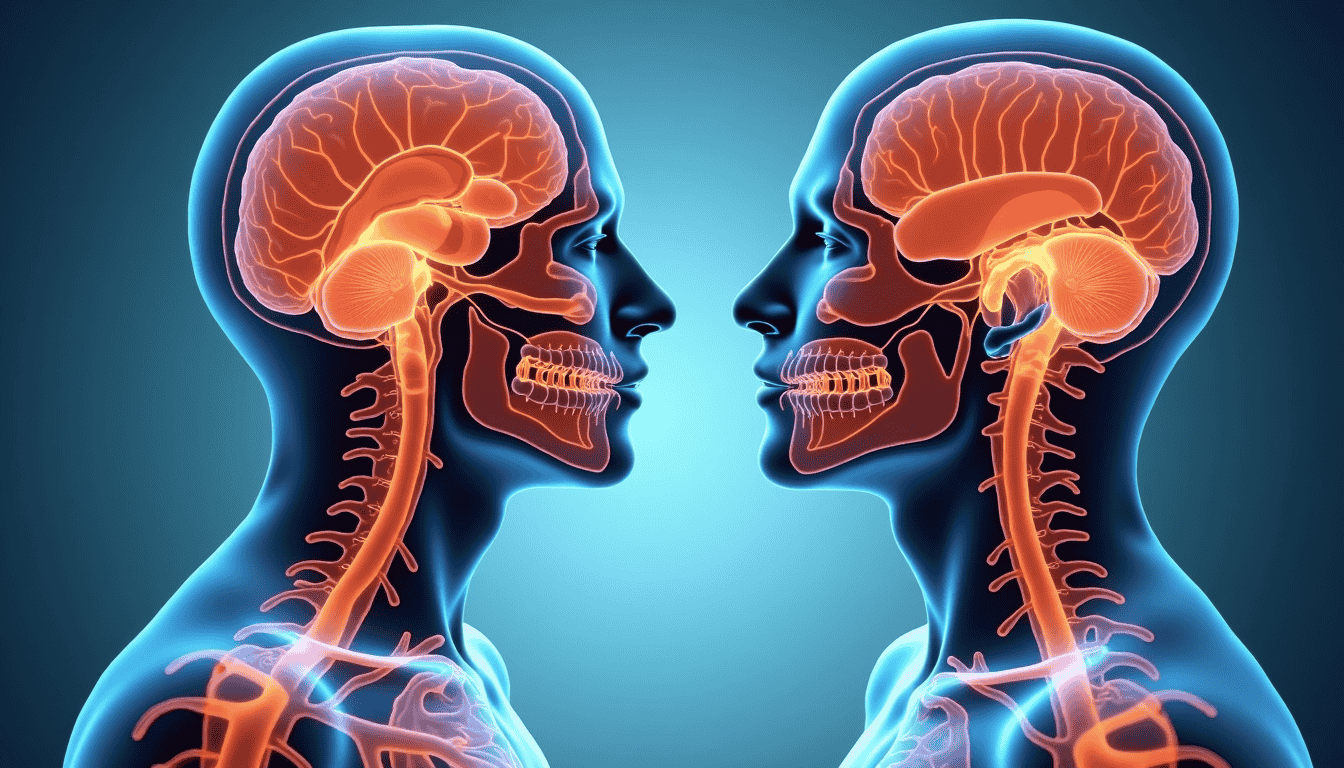
The Vagus Nerve: Your Body's Built-In Calm Button
As much as I enjoyed attending biology classes, I didn't discover the vagus nerve there.
Funnily enough, I only came across it when my body felt like it was permanently stuck in "on" mode. I felt my chest tighten regularly, my breathing was shallow, I lacked good sleep, and my nervous system refused to relax.
Someone suggested I look into vagus nerve regulation, which at first made me scoff and roll my eyes.
I found out that this vagus nerve isn't just another nerve. It turned out that it's the superhighway where communication takes place between your body and your brain. I also found out that learning to work it to my advantage can be life-changing.
What IsThe Vagus Nerve?
This nerve is the longest cranial nerve in our body. It runs from the brainstem, all the way down through the face, throat, heart, lungs, and the digestive organs.
If you so wish, you can call it the body's internal messaging system, as it regulates your:
heart rate
breathing
digestion
immune response
inflammation
relaxation and recovery
mood and emotional regulation.
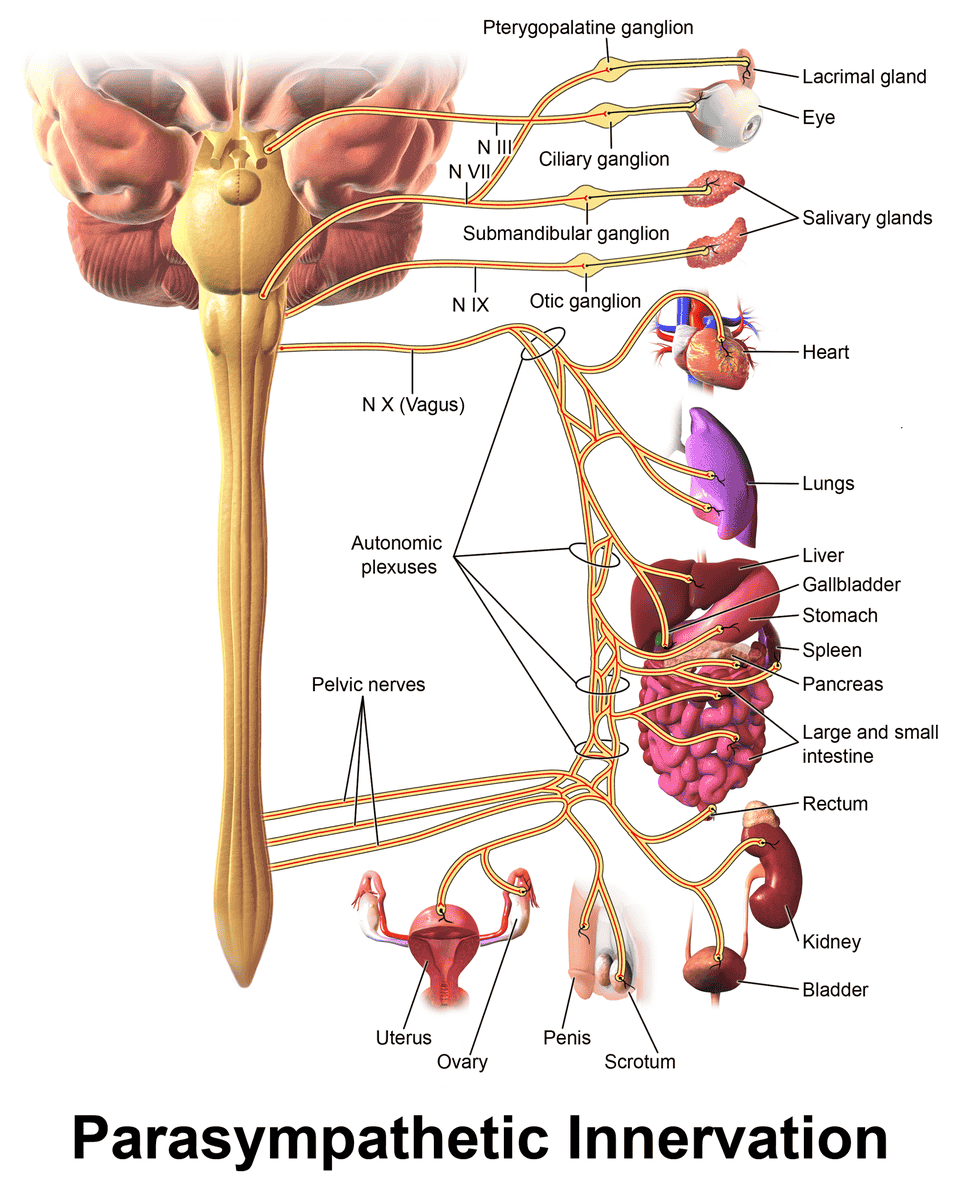
It is the main component of what's known as the parasympathetic nervous system, which is responsible for repair, rest, and healing.
From another point of view, if the sympathetic nervous system is the gas pedal, the vagus nerve is the brake.
5 Ways How The Body Is Affected By the Vagus Nerve
The body shifts into a state of safety and balance when the vagus nerve is functioning properly.
First: Anxiety and Stress Regulation
A healthy vegal tone guides the body into exiting its "fight or flight" mode.
When mine is regulated, I tend to feel grounded, present, less reactive, and emotionally steady.
When it isn't regulated, I tend to make a mountain out of a molehill.
Second: Blood Pressure and Heart Rate
This nerve slows down your heart rate and does wonders for your cardiovascular balance.
Slow and steady breathing signals safety to the heart and activates vagal pathways.
Third: Gut Health and Digestion
Does your stomach tighten when you're anxious?
That, dear people, is vagus nerve activity.


It controls gut movement, digestive enzymes, and the gut-brain connection. If you have poor vagal tone, this can contribute to bloating, IBS symptoms, and sluggish digestion.
Fourth: Mood and Emotional Regulation
The vagus nerve also influences inflammation and neurotransmitter levels. These are both linked to emotional stability and depression.
I find that when my nervous system is regulated, I tend to respond instead of react.
Just that difference on its own has transformed my relationships.
Fifth: Immune Function and Inflammation
This same nerve helps regulate inflammation through the "inflammatory reflex."
A balanced vagal tone supports immune resilience and healing.
Is Your Vagus Nerve Underactive?
Many are those who live with nervous system dysregulation without even knowing it.
These are some common signs:
digestive issues
shallow breathing
difficulty relaxing
chronic anxiety or overwhelm
poor stress tolerance
feeling constantly "on edge"
fatigue and burnout
And I used to think this was just me, the way I was, my personality, but it wasn't.
It was physiology.


The Pros of a Strong Vagal Tone
Improving vagal tone tends to lead to:
deeper relaxation
better digestions
improved sleep
improved emotional resilience
reduced inflammation
enhanced stress recovery
improved heart health
greater sense of calm and safety
In other words, you'll feel more like yourself once more.
The Cons, if Any?
The vagus nerve is essential for survival, and in itself, it's not harmful, but be aware of:
Overstimulation via medical devices.
VNS, or clinical vagus nerve stimulation, used for depression and epilepsy, can cause side effects, such as throat discomfort and voice changes.
Trauma responses.
For trauma survivors, it can initially feel unsafe practicing deep relaxation because the nervous system isn't used to calm states. This is why gradual and gentle regulation is a must.


How to Activate the Vagus Nerve Naturally
You don't need expensive equipment, which is great news.
Your body just needs reminders on how to regulate, as it already knows how.
The following 7 are techniques that made huge differences for me:
Try:
Inhale for 4 seconds and exhale for 6 - 8.
Longer exhales activate the relaxation response.
Quite often, I feel my shoulders drop by the third or fourth breath.
First: Slow and Deep Breathing
Second: Singing, Chanting, or Humming
Your vocal cords are connected to the vagus nerve.
Humming stimulates vagal tone and creates gentle vibrations.
Bonus: It's so soothing.
Third: Splashing Cold Water on You


Finish a shower with 10 - 30 seconds of cool water, or if you're not brave enough, just splash cold water on your face.
This stimulates the dive reflex and vagus nerve activation. Granted, it feels shocking initially, but then it's calming.
Fourth: Gargling with Water
You're right, it's weird, but gargling stimulates your throat muscles that are connected to vagal pathways.
Bonus: It is simple, effective, and very free.
Fifth: Mindful Movement
Slow stretching, walking in nature, and Yoga help regulate nervous system responses.
Do not go for intense, fast workouts as these can increase stress if your body is already at breaking point.
Sixth: Connect Socially
Warm and safe interactions activate the vagus nerve.
Things like eye contact, meaningful conversation, and laughter all tell the nervous system that You Are Safe.


Seventh: Body Awareness and Meditation
Mindfulness, body scanning, and grounding exercises help restore your nervous system balance.
Start slowly, say a couple of minutes, then consistency beats duration.
How to Use the Vagus Nerve to Your Advantage
You have a powerful tool at your disposal, and that's learning how to regulate your vagus nerve.
You can change being controlled by stress and learn how to influence your physiological state.
I now have enough experience to notice the early signals, such as a tight jaw, shallow breathing, and respond before stress takes the better of me. Just knowing this makes me feel on top of it. It empowers me.
At the end of the day, you don't eliminate stress; you just build resilience.
Ending Note
The vagus nerve is far from being a trendy wellness buzzword, but a biological pathway to healing, calm, and emotional stability.
In the world where we live, one that keeps pushing us to our extreme limits, learning to regulate your nervous system may be one of the most important life skills you can develop, and not because life becomes stress-free.
But because you come more anchored within it, and that, my dears, changes everything...good luck (Robert).
Smart Living Coach
Your journey to a balanced life starts here...
coach@smartlivingcoach.com
© 2025. All rights reserved.
The Smart Living coach Team