Sleep Optimization: Devices, Night Routines, and Natural Supplements for Deeper, Restorative Sleep
Are you struggling with poor sleep? Easily learn sleep optimization by using smart devices, strong nighttime habits, and evidence-based supplements to enhance deep sleep and recovery naturally.
SLEEP OPTIMIZATION

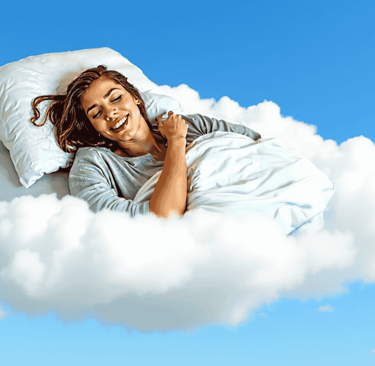
Sleep is not just having a “rest.” It’s the time when your brain detoxifies, your muscles repair, your hormones reset, and your nervous system adjusts. Sleeping poorly doesn’t just make you tired. It affects your weight, focus, mood, immunity, stress levels, and (shock horror) aging!
However, there is good news on the horizon. Your sleep can be optimized (phew). With the proper tools, support, and habits, you can train your body to fall asleep faster. Once mastered, you will also stay asleep longer and wake up truly restored - perfect!
This is broken down into three powerful areas: devices, routines, and supplements.
Sleep Optimization Devices That Actually Help
You've heard it before: "Tech ruins sleep", but this isn't entirely true, as not all tech ruins sleep.
The bright side is that the right tools help you understand and improve your sleep.
Sleep Tracking Devices
These measure REM sleep, deep sleep, heart rate variability (HRV), sleep duration, and restlessness.
This matters because you can never improve what you don't know. When you measure and track, it shows how eating late, drinking, stress, or even screen time affects your sleep quality.
Look out for devices that monitor "sleep stages and recovery," not just time in bed.
Blue Light Blockers
Your brain is easily confused by artificial light after sunset into thinking it's daytime. This only serves to suppress your sleep hormone, melatonin.
Helping aids: Wear blue-light blocking glasses 2-3 hours before bed. Use screen filters or night mode on your tech, and surround yourself with warm and dim lighting in the evening.
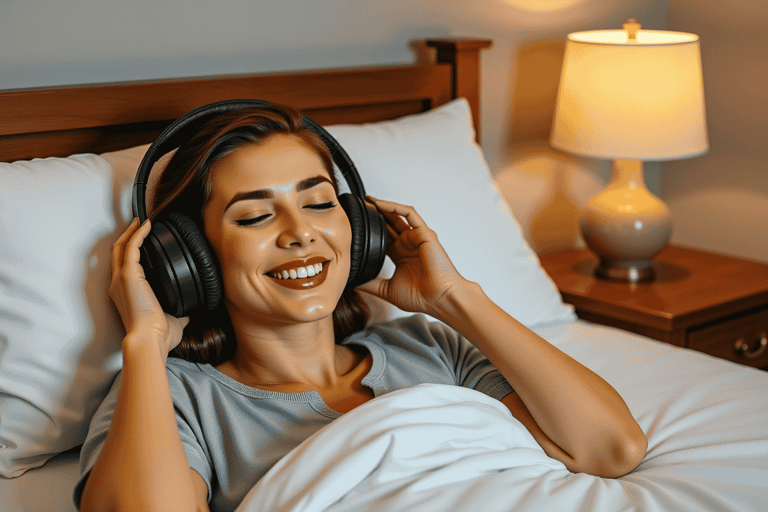
This supports your body's internal clock.
Bedroom Tech
Your bedroom should signal only safety and recovery, and not stimulation.
These items you might find helpful:
White noise machines (these reduce disturbances
Blackout curtains (darkness boosts melatonin)
Keeping your room temperature cool, that's around 18 Celsius, or 65 Fahrenheit, and very important is keeping a low-EMF, low-light environment at night.
When it feels physically calm, your nervous system sleeps better.
Night Routines That Train Your Brain to Sleep
It's good to know that sleep is, in fact, a skill, and your body needs predictable signals.
There is something that's known as the "Digital Sunset" Rule, which states:
Shy away from stimulating input between one and two hours before you go to bed. This includes no emails or social media, no intense shows, and no work-related tasks.
You can replace these things with relaxing things, like reading, gentle stretching, listening to calm music, and simple journaling. These actions lower your stress hormone, cortisol, and signal safety.
Sleep and Wake up at Regular Times
You strengthen your body clock by going to bed and waking up at the same time daily, even during weekends. Sleeping irregularly is like suffering from jet lag on a daily basis. Your brain loves predictability and rhythm.
Resetting your Nervous System
Think about this...Many people don't actually have "sleep problems." Instead, they have stress system problems.
Before you go to bed tonight, try 5 minutes of slow breathing (inhale for 4 seconds, and exhale for 6 seconds). Do a body scan relaxation procedure, legs-up-the-wall pose, or gratitude journaling. Do as many of these as you can, as these help shift you from fight-or-flight into rest-and-repair mode.
At whatever cost, avoid these sleep saboteurs:
Heavy meals within 2 hours of bed
Alcohol - this reduces deep sleep
Drinking caffeine hours before sleeping
Intense workouts just before bed
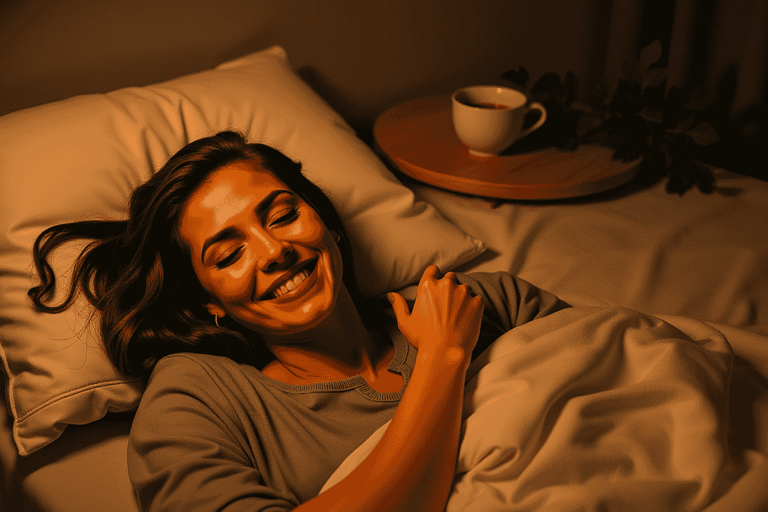
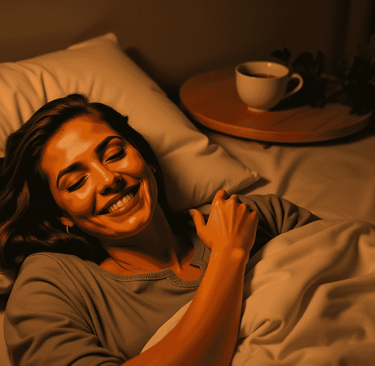
Sleep Support Natural Supplements
Supplements support good habits, not replace them.
The first on the list is Magnesium. This helps relax muscles, calm the nervous system, and reduce nighttime restlessness, making it one of the safest, most effective natural sleep aids.
The second on the list is Glycine, which is an amino acid that helps lower core body temperature and improves your quality of sleep. This is often used for deeper, more restorative sleep.
Melatonin (low dose) is best for travel or jet lag, resetting sleep schedule, and also for short-term body clock support. In the case of Melatonin, more is not better. You'll find small doses are usually most effective.
L-Theanine promotes relaxation without sedation. This is especially true if you have racing thoughts during the night.
Important note: Anyone on medication, with health conditions, or who is pregnant, should consult a professional before taking supplements.
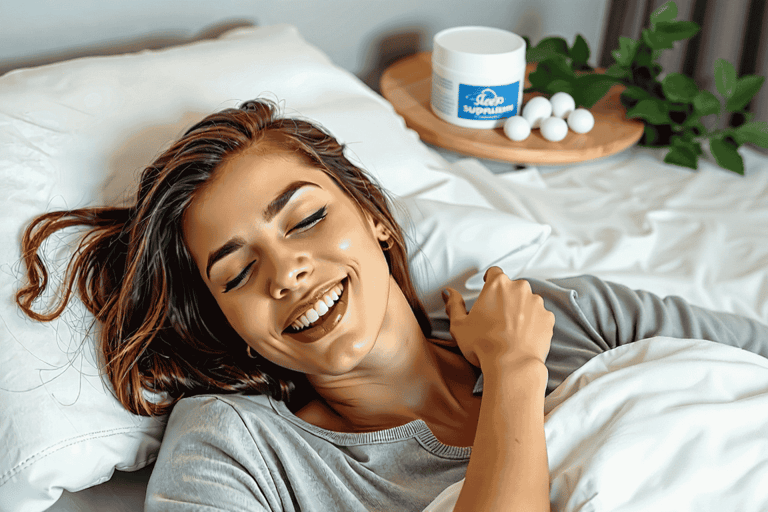
The Formula for Sleep Optimization
There is no ONE magic fix, but it consists of stacking small wins, as follows:
Measure
Reduce evening stimulation
Calm the nervous system
Support biologically.
Doing these, you'll find your mood stabilizes, cravings reduce, your focus sharpens, recovery improves, and your stress tolerance increases once your sleep improves because sleep is your foundation habit. If you master this, your health gets easier.
Wrapping it Up
Sleep is not being lazy, but a biological necessity.
When you treat sleep as an investment, your body responds fast, so tonight, start with one change.
Small shifts lead to deep results.
Smart Living Coach
Your journey to a balanced life starts here...
coach@smartlivingcoach.com
© 2025. All rights reserved.
The Smart Living coach Team