Overcoming Anxiety and Finding Peace in 2026
Practical ways to overcome anxiety and find inner peace in 2026 with mindfulness, self-care, and stress-reducing daily habits. Easily overcoming anxiety...
OVERCOMING ANXIETY
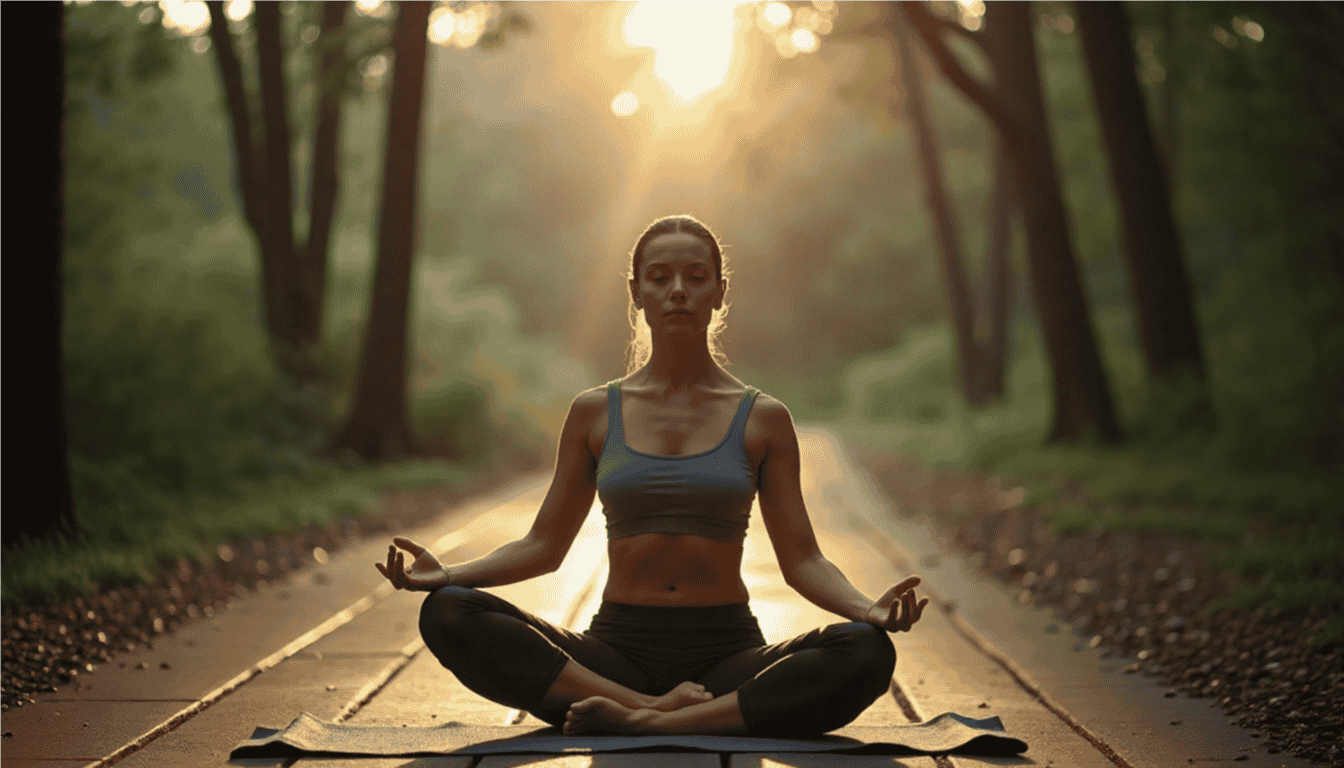
As we step into 2026, many people are carrying more than just new goals into the year. They’re also carrying anxiety, pressure, and uncertainty. While the desire for growth is natural, it can easily become overwhelming if mental well-being is neglected. This article explores practical, compassionate strategies to help you overcome anxiety, restore inner calm, and create a more peaceful, balanced life in the year ahead.
Many individuals find themselves grappling with anxiety and stress. The beginning of a new year often comes with high expectations. This includes new goals, fresh starts, and a sense that we should be doing better, achieving more, or finally “fixing” ourselves. While ambition and personal growth can be positive forces, they can also quietly intensify anxiety when paired with uncertainty, pressure, and constant comparison.
Mental health is not a luxury or an afterthought; it is the foundation upon which all personal development rests. Without emotional well-being, even the most carefully planned goals can feel exhausting or unattainable.
Anxiety often arises from a sense of losing control or feeling overwhelmed by what lies ahead. In today’s fast-paced, intensely linked world, our nervous systems are rarely given a chance to rest. Constant notifications, negative news, social media comparisons, and extreme standards can keep the mind in a near-constant state of alertness.
While some level of anxiety is normal, chronic anxiety can affect sleep, focus, emotional regulation, and physical health. Recognizing anxiety not as a personal failure but as a signal, a call for rest, boundaries, or emotional support, is a crucial first step toward healing.
Understanding Anxiety in a Fast-Paced World


Learning how to manage anxiety and cultivate inner peace is not about eliminating stress. It’s about building the tools to meet life with greater calm, strength, and self-compassion.


The Power of Mindfulness and Presence
One of the most effective tools for reducing anxiety is mindfulness. Anxiety thrives in the future. Anxiety thrives in “what ifs,” imagined outcomes, and unresolved fears. Mindfulness gently brings attention back to the present moment, where safety and clarity are often more easily found.
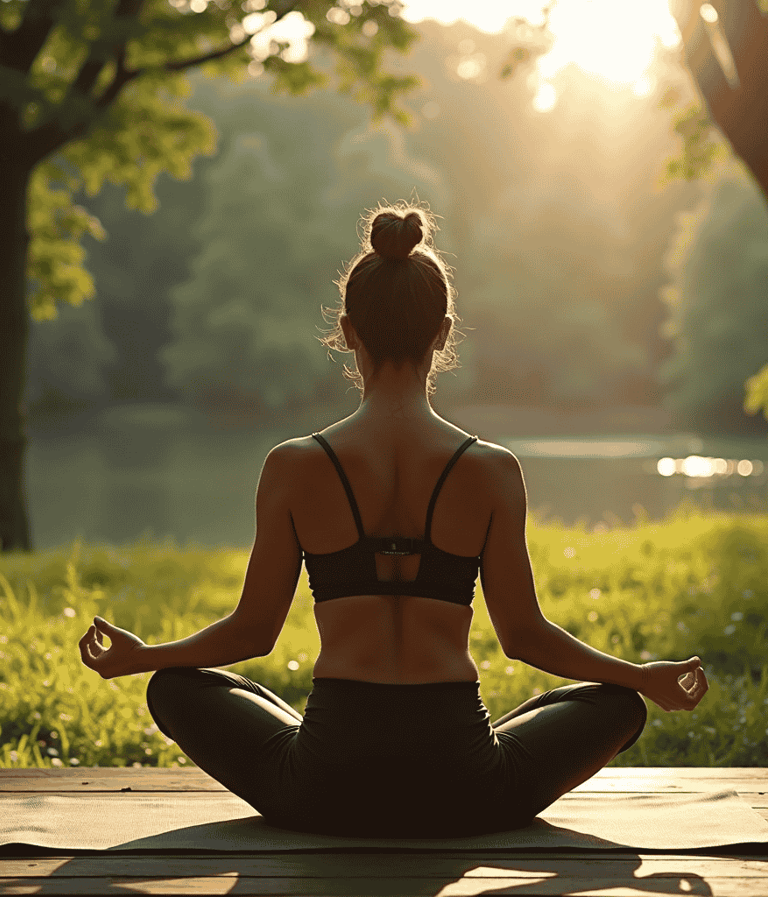
Practices such as meditation and deep breathing help calm the nervous system and interrupt the cycle of anxious thoughts. Even just five minutes a day of slow, intentional breathing can lower stress hormones and create a sense of grounding.
Mindfulness doesn’t require perfection or silence. It can be practiced while drinking a cup of tea, walking outside, or noticing the sensations of your breath. Over time, regular mindfulness practice strengthens emotional resilience, making it easier to respond thoughtfully rather than react impulsively when stress arises.
Movement as a Natural Anxiety Reliever
Physical activity plays a powerful role in managing anxiety. When we move our bodies, we release endorphins. These are natural chemicals that improve mood and reduce stress. Exercise also helps regulate sleep, increase energy levels, and release built-up tension stored in the body.
This doesn’t mean you need intense workouts or strict routines. Gentle movement can be just as effective. Walking, stretching, yoga, swimming, or dancing can all support mental well-being. The key is consistency and choosing forms of movement that feel supportive rather than punishing.
Think of movement not as a task on your to-do list, but as a form of self-care. Think of it as a way to reconnect with your body and give your mind a break.
Creating a Consistent Self-Care Routine
Self-care is often misunderstood as indulgence, but in reality, it is maintenance for the mind and nervous system. Establishing a simple, consistent self-care routine can significantly reduce anxiety over time.
Self-care activities might include:
Journaling to process thoughts and emotions
Reading for pleasure
Spending time in nature
Listening to calming music
Practicing gratitude
Creating a relaxing evening routine
Even small daily rituals can create a sense of stability and safety, especially during uncertain times. The goal isn’t to add more pressure, but to intentionally carve out moments that support emotional balance.

How Smart Living Coach Can Help
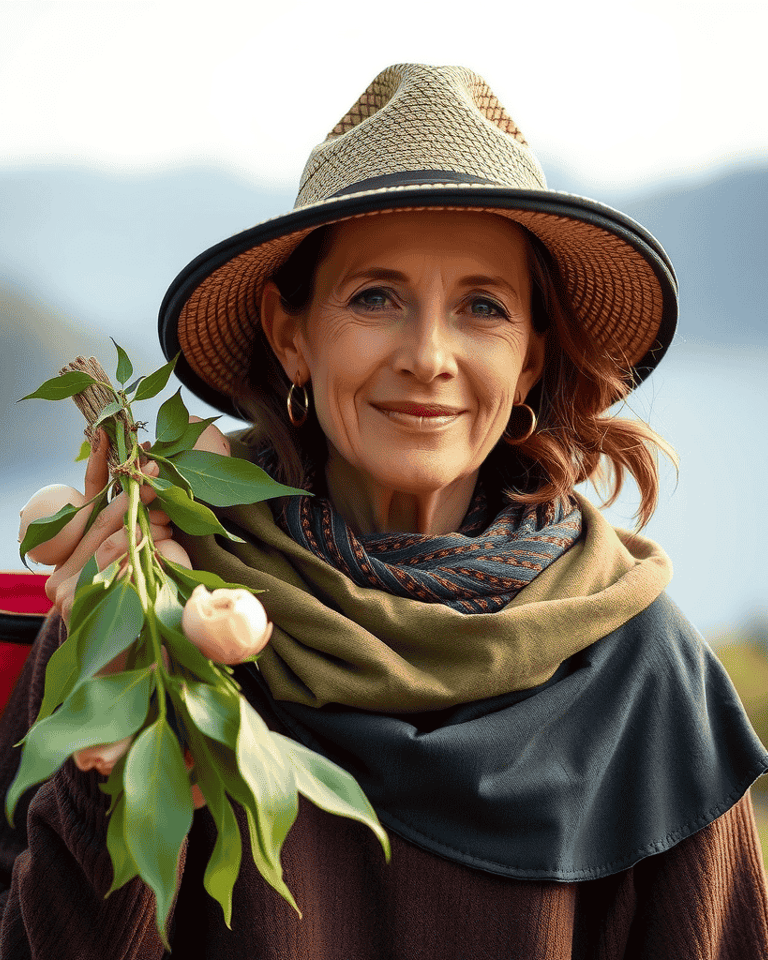
At Smart Living Coach, self-care is about gently supporting your emotional wellbeing in ways that feel realistic and nurturing, not overwhelming. Smart Living Coach helps you create these moments with purpose, reminding you that self-care isn’t another task to perfect, but a compassionate way to care for yourself and protect your emotional health.
Smart Living Coach
Your journey to a balanced life starts here...
coach@smartlivingcoach.com
© 2025. All rights reserved.
The Smart Living coach Team