Mindfulness for Stress Relief, Better Sleep, and Smart Living
How mindfulness supports stress relief, better sleep, and balanced living. Learn smart, practical ways to improve health and well-being in a fast-paced world.
MINDFULNESS FOR STRESS RELIEF
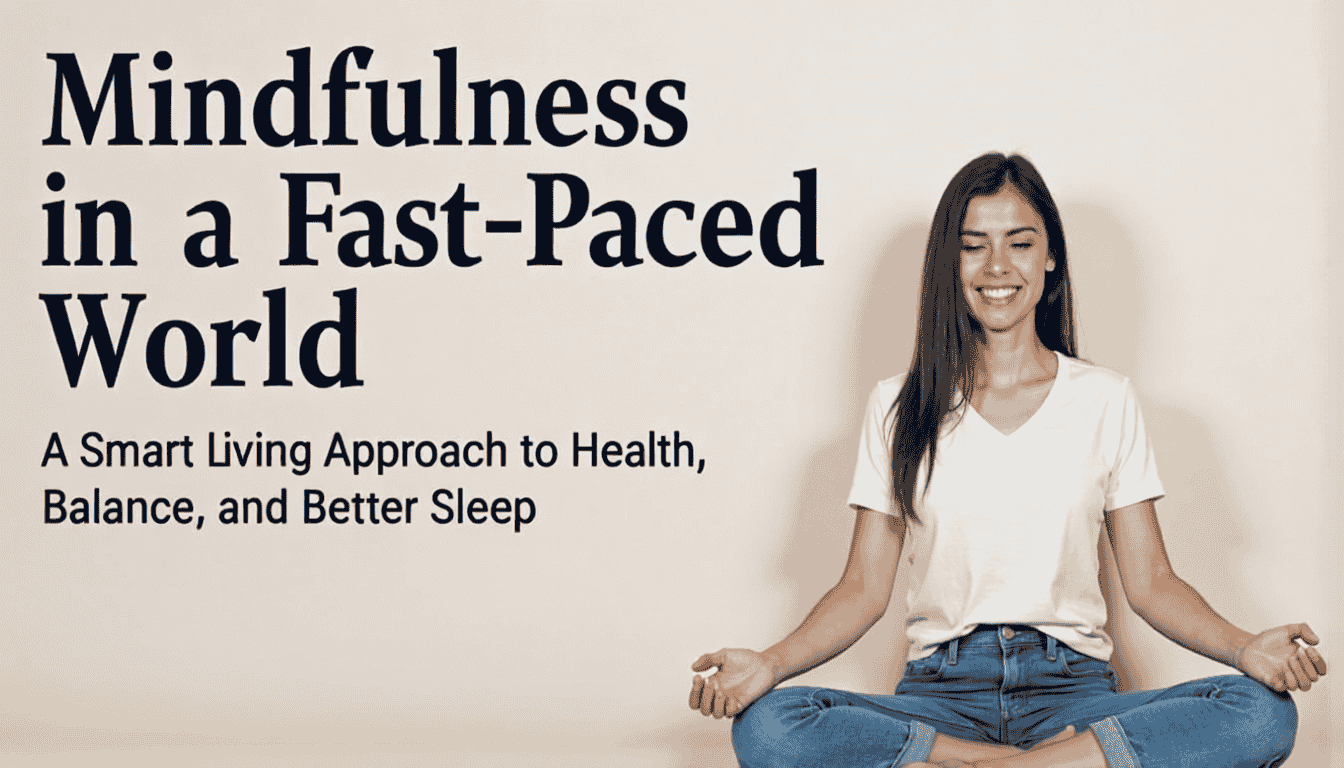
Mindfulness in a Fast-Paced World: A Smart Living Approach to Health, Balance, and Better Sleep
More often than not, modern life moves fast, many times faster than our minds and bodies can keep up with. Considering work demands, digital distractions, family responsibilities, and the pressure to always be “on,” many feel disconnected from themselves. As a smart living coach, I see this daily. Meaning, people functioning efficiently on the outside, yet feeling exhausted, anxious, and overwhelmed on the inside.
Mindfulness was once a natural part of human life, but it has slowly faded into the background. However, its absence is directly linked to many of the challenges we face today. To name a few:
chronic stress
emotional burnout
poor sleep, and
declining overall health.
Reintroducing mindfulness into daily life is one of the most effective ways to restore balance, improve well-being, and support a healthier, more intentional way of living.
What Is Mindfulness?
Mindfulness means being fully present in the current moment, with awareness and without judgment. It involves noting thoughts, emotions, bodily sensations, and surroundings as they are, rather than getting caught up in worries about the future or regrets about the past.
Mindfulness does not require hours of meditation or a lifestyle that needs drastic change. In fact, it fits perfectly into a smart living approach. This boils down to simple, practical habits that create meaningful improvements in daily life. When practiced often, mindfulness strengthens mental clarity, emotional resilience, and self-awareness. These are the key foundations for long-term health and stress reduction.




The Cost of Living on Autopilot
Many people today live on autopilot. They jump from one task to the next without pausing to check in with themselves. This persistent mental stimulation keeps the nervous system in a heightened state of alert. Over time, this leads to chronic stress, irritability, anxiety, and emotional fatigue.
Stress is far from just a mental experience. Stress has very real physical consequences. Prolonged stress increases cortisol levels and:
disrupts hormone balance
weakens the immune system, and
contributes to inflammation,
digestive issues, and
cardiovascular problems.
From a smart living perspective, mindfulness acts as a reset button, helping the body shift out of survival mode and into a state of rest and repair.


Mindfulness and Physical Health
Mindfulness supports physical health by calming the nervous system and improving the mind–body connection. When we are more aware of how our bodies feel, we are better able to recognize early signs of stress, tension, fatigue, or emotional overload.
Regular mindfulness practice has been shown to:
Reduce stress and anxiety levels
Lower blood pressure and heart rate
Improve digestion and immune function
Reduce chronic pain and muscle tension
Support healthier lifestyle choices
As a smart living coach, I often emphasize that mindfulness naturally encourages smarter decisions. When we slow down and tune in, we are more likely to eat intently, move our bodies with care, rest when needed, and set healthier boundaries. These are the cornerstones of a balanced, smart living lifestyle.


Mindfulness and Sleep: A Critical Connection
Sleep is one of the areas most affected by stress and lack of mindfulness. Many struggle to fall asleep because their minds remain busy long after the day ends. Their thoughts race, mental to-do lists, and mindful reflections interfere with the body’s natural sleep rhythms.
The consequences of poor sleep can be serious. Without proper rest, our concentration levels are reduced, we suffer emotional instability, weakened immunity, increased cravings, and a higher risk of long-term health conditions such as heart disease, obesity, anxiety, and depression.
Mindfulness helps prepare both the mind and body for sleep. Practices such as mindful breathing, body scans (Body scan is a guided meditation technique where you systematically focus your attention on different parts of your body, from head to toe, or the other way round), and gentle awareness exercises calm the nervous system and reduce mental chatter.


Using Mindfulness Tools in a Smart Way
While technology is often blamed for increased stress, it can also be part of the solution when used intentionally. Mindfulness apps such as Headspace offer practical, accessible support for people who want to reduce stress and improve well-being but have limited time.
Headspace provides guided meditations, breathing exercises, stress-relief techniques, and sleep-focused content designed for modern lifestyles. One of its greatest strengths is flexibility—sessions can be as short as a few minutes, making mindfulness achievable even on busy days.
Key benefits of using tools like Headspace include:
Guided structure for building a consistent mindfulness habit
Easy access to stress-relief and relaxation techniques
Beginner-friendly guidance without overwhelm
Dedicated sleep support, including calming audio and wind-down routines
Tools to manage anxiety, focus, and emotional balance


Mindfulness as a Smart Living Skill
Note that mindfulness is not about escaping life, but about learning how to live it more consciously. By slowing down and paying attention, we develop a healthier relationship with stress, emotions, and daily challenges.
Smart living is about working with your nervous system, not against it. Mindfulness helps you respond rather than react, rest rather than burn out, and live a clear and balanced life. Over time, these small daily practices create lasting change by improving mental health, physical vitality, and overall quality of life.


Final Thoughts
In today's constantly demanding world, mindfulness allows us to pause. It helps us reconnect with ourselves, reduce stress, and restore balance, while supporting better sleep, stronger health, and emotional resilience.
By combining mindful awareness with smart tools like Headspace, we can integrate calm, clarity, and intentional living into even the busiest schedules.
Mindfulness is not a thing of the past.
It is a skill for the future, and a cornerstone of truly smart living.
Over time, mindfulness can:
Improve sleep quality and duration
Reduce nighttime anxiety
Support deeper, more health-improving rest
Boost daytime energy and focus
From a smart living perspective, quality sleep is not a luxury, but a foundational pillar of health.
As a smart living coach, I encourage clients to use technology consciously, by choosing tools that support well-being rather than drain it. Mindfulness apps can be powerful allies when used intentionally.
Smart Living Coach
Your journey to a balanced life starts here...
coach@smartlivingcoach.com
© 2025. All rights reserved.
The Smart Living coach Team