Lifestyle Improvements For Anxiety, Reduce Stress, and Help You Sleep Again
Discover everyday lifestyle improvements for anxiety, improve sleep, manage stress, and cope with financial worries. Simple habits for a calmer, healthier life


I believed stress was just part of adulthood, like answering emails, paying bills, and lying awake at a ghastly hour replaying conversations from many years ago, while the whole world sleeps.
What didn't help was that most people I met feel that way too, but they are not weak or broken. They are just overwhelmed.
Anxiety can be horrible, creeping in quietly without you noticing it at first. Your sleep becomes shallow, and money worries sit like a dead weight in the stomach. You see, the nervous system never quite switches off.
But, there is good news!
Relief doesn't suddenly appear from dramatic life overhauls, but from small, consistent lifestyle improvements. These improvements gently bring your mind and body back into balance.
What follows are down-to-earth, realistic, and proven changes that help people become calm and emotionally stable. It also helps people reclaim energy, and all these apply if you're either struggling deeply or simply want to feel better.
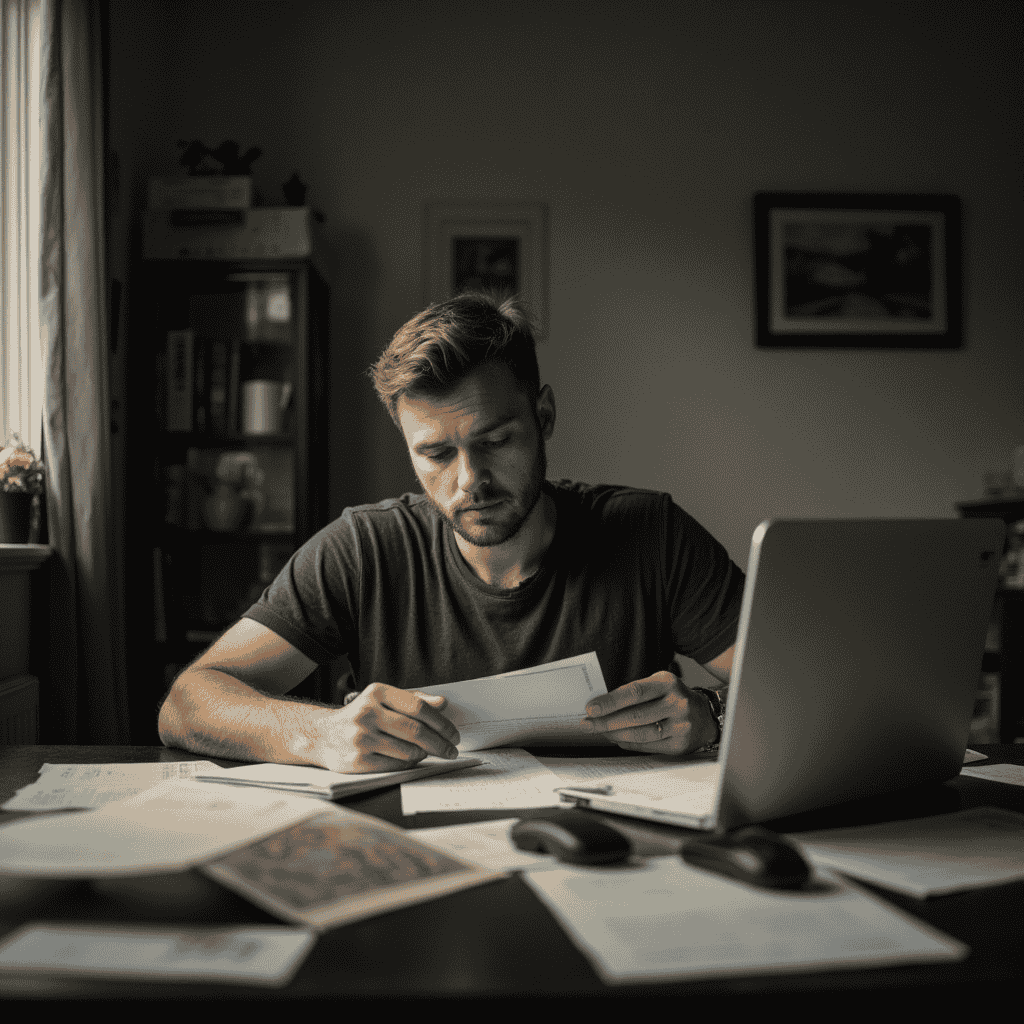

Make Your Mornings Simpler, and Your Nervous System Will Love It
Avoid rushed mornings. Most days that begin rushed turn anxious.
Avoid your alarm snoozing countless times, and swallowing coffee while soaking in bad news.
You're running late even before the day has started, and your nervous system goes into emergency mode before you get a chance to say "good morning, world".
On the other hand, if you apply these concepts, you'll feel so much better, so much calmer:
Wake up a few minutes earlier than usual and drink water before coffee.
Avoid your phone for the first ten minutes, but open a window and breathe deeply.
Note: This has nothing to do with being productive, but all about signalling to your brain that you're safe.
A calm morning often leads to a calmer day.
Becoming physical is mostly recommended for mental health, but such advice can easily feel too much to bear when you're exhausted.
But there is more good news: You don't need intense workouts.
What you can do is take a quiet walk in fresh air to lower cortisol, put a halt to anxious thought loops, and release tension.
A friend of mine started going for 10-minute walks in the evenings. She said that within weeks, she noticed she had fewer racing thoughts, and her sleep improved because her emotional reactivity had decreased.
When you move about, you're telling your body that you're not in danger, and that message matters greatly.
Exercise Your Body to Quiet Your Mind
To Get a Better Sleep, Create Wind-Down Habits
Most adults complain of sleep problems. Anxiety doesn't permit their brain to ever stop scanning for threats.
One thing you cannot do is force sleep, but one thing you can do is to invite it.
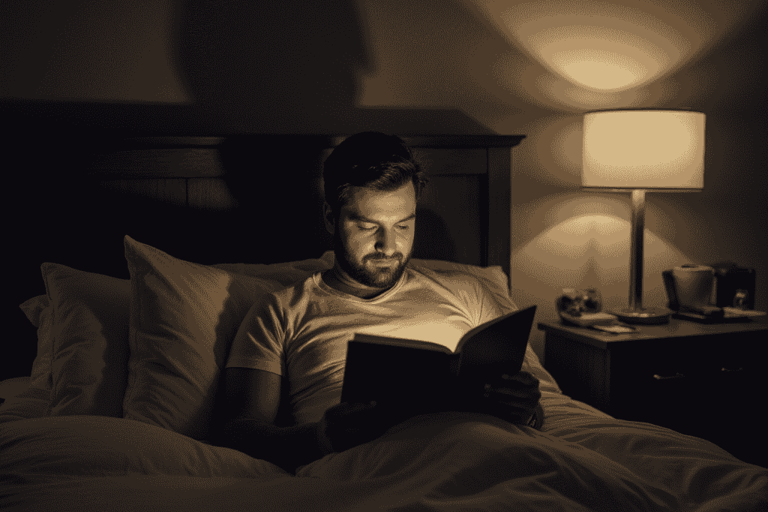
Try this simple nightly ritual:
Turn off stimulating sources
A warm shower helps calm you down
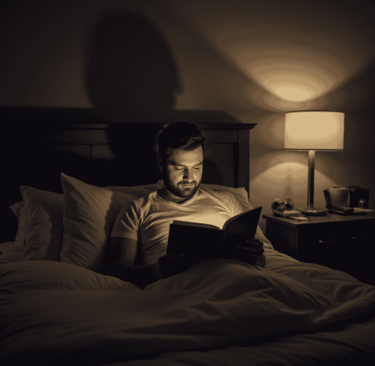
Read something soothing
Dim the lights an hour before bed
Write the next day's problems on paper
The above signals a closure to your day. You can think of it as closing mental browser tabs before rest.
Avoid Information Overload
Even if you have the best of intentions, humans are not designed to process global crises, financial fear headlines, personal stress, and social media comparison simultaneously.
Sadly, many people absorb all this before breakfast!
If you suffer from anxiety, consider limiting news intake to once a day and unfollowing accounts that trigger comparison. Also, avoid financial doom-scrolling before you go to bed.
Your mental space is a form of self-protection, and you need to guard it carefully.
Small Acts of Control Help Manage Financial Stress
You want to eliminate money worries, which create chronic stress because they threaten your security and survival, and that of your family.
Even when you're low on finances, you can take small actions that restore a sense of control, like:
Write down expenses without judgment, and cancel unused subscriptions.
Set automatic savings, even if it's only a little amount, weekly.
Schedule "money check-in" weekly instead of worrying about it on a daily basis.
Understand that avoiding worrying issues feeds anxiety, and gentle awareness tends to reduce it.
After all, financial calm begins with clarity, and not with perfection.


Build Tiny Moments of Calm Throughout the Day
You don't need to go on vacations, weekend breaks, or retire to be able to relax. However, your nervous system needs relief on a daily basis.
Try inserting these tiny pockets of calm:
Stretch at your desk and sip tea without multitasking.
Breathe slowly while waiting in line, and step outside momentarily for some fresh air.
These actions teach your body how calm truly feels, and your body remembers these moments.
Don't Isolate Yourself
When in isolation, stress and anxiety thrive, but you don't need a large social circle to feel supported.
What you should do is try texting a friend instead of scrolling, or chatting with a neighbor. Making eye contact and smiling make a solid friendship foundation. If one-to-one isn't your scene, you can join a small class or group.
The possibilities are endless, and the choice is yours.
Another friend told me his anxiety eased after he started talking to his cafe barista in the mornings.
Most humans regulate their emotions through connection, even a brief one counts.


Many people suffering from stress are also quietly bullying themselves.
Bad news...but it's true.
These attacks sound something like, "I should be stronger", or "Why can't I cope," or "I'm failing at life."
All this negative inner dialogue does nothing but increase anxiety and shame.
Now, why don't you replace harsh thoughts with realistic compassion, like:
"This is damn hard, and I'm doing my best," or "Many people feel like this," or "I'm allowed to take things at my own pace."
Being kind to yourself isn't a weakness, but emotional strength.
Don't Be Harsh on Yourself
Go Easy on The Stimulants if Anxiety is High
Stay away from caffeine, energy drinks, and excess sugar. These can amplify anxiety, which in turn will cause your heart to race, restlessness, disrupt your sleep, and give you jitters.
You can reduce your intake of coffee after midday or switch to half-caffeine, which will noticeably improve sleep and levels of calm, so you don't have to quit coffee entirely.
What you can do is listen to your nervous system as it tells you nothing but the truth.
That's how modern life is. It's nothing short of fast, demanding, and noisy. So much so that even "normal" people feel overwhelmed.
Improving your lifestyle isn't about perfection. It's about creating conditions where your nervous system feels safe enough to rest.
Because less pressure means more breathing room and more humanity.
You will not find calm by escaping life, but by building gently inside it.
Normal Life Is Stressful, Accept it
Finishing Off
If you are struggling with sleep loss, stress, anxiety, or financial worry, you'll be glad to know you're not alone and you are not beyond help.
Remember to start small, pick one change, then another.
Over time, these improvements in your lifestyle tend to accumulate into something powerful. Into a life that feels calmer, steadier, and more manageable.
And, perhaps, for the very first time in a while, you may find yourself lying in bed at night, resting, and not worrying.


Smart Living Coach
Your journey to a balanced life starts here...
coach@smartlivingcoach.com
© 2025. All rights reserved.
The Smart Living coach Team