Freezing Food Safely: Storage, Thawing, and Long-Term Benefits
Freezing food safely prevents bacterial growth, extends shelf life, and prepares for shortages with proper freezing and thawing techniques. Find out how it's done.
FOOD
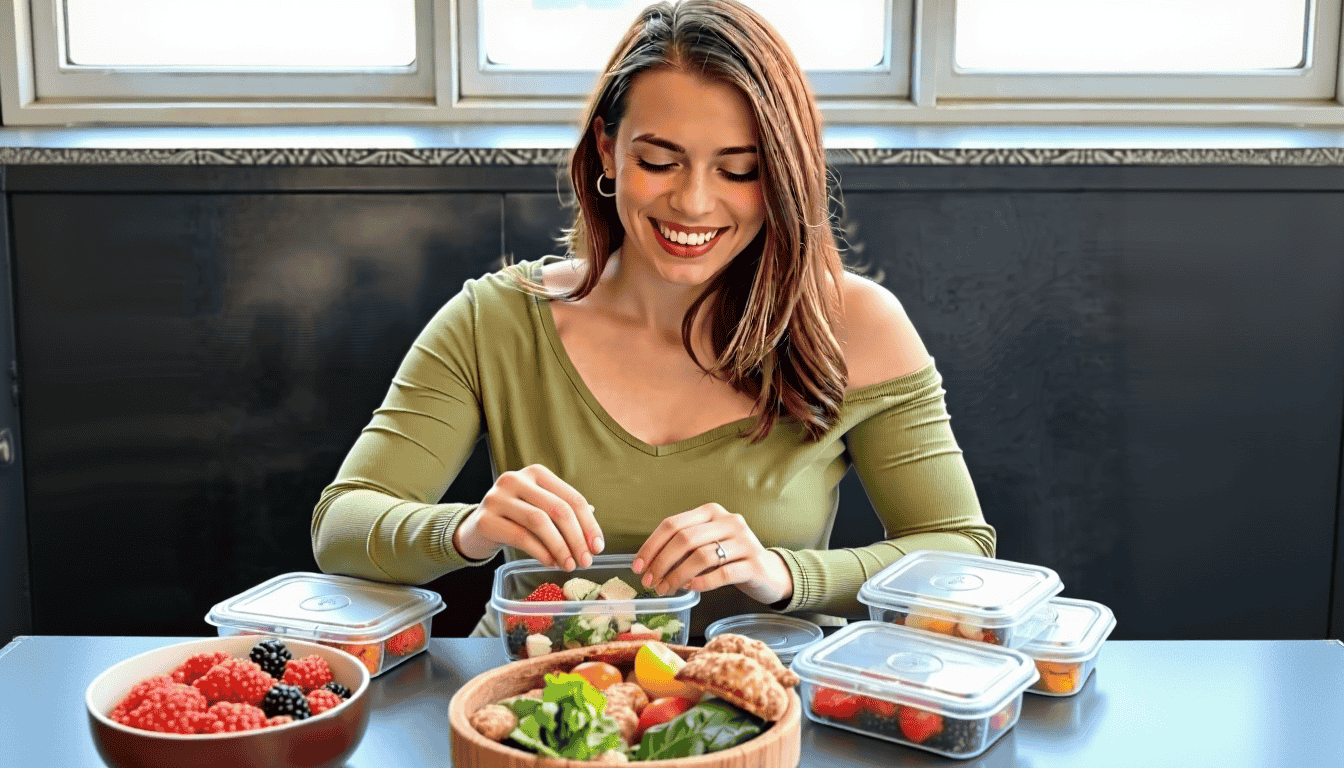
A Complete Guide to Freezing Food, Safe Storage, Thawing, and Being Prepared for the Long-Term
Freezing food is one of the most cost-effective and simplest ways to preserve it at home.
When done correctly, whether you're trying to reduce waste, save money, prepare meals in advance, or simply safeguard your household against food shortages, freezing offers long-lasting benefits.
However, it's essential to understand proper freezing procedures to truly reap these advantages. It's essential to understand proper freezing procedures, along with storage times and thawing methods, to prevent bacterial growth and avoid foodborne illness.
In this guide, you'll find everything you need to know about freezing food safely and effectively.
Why It's a Smart Idea Freezing Food
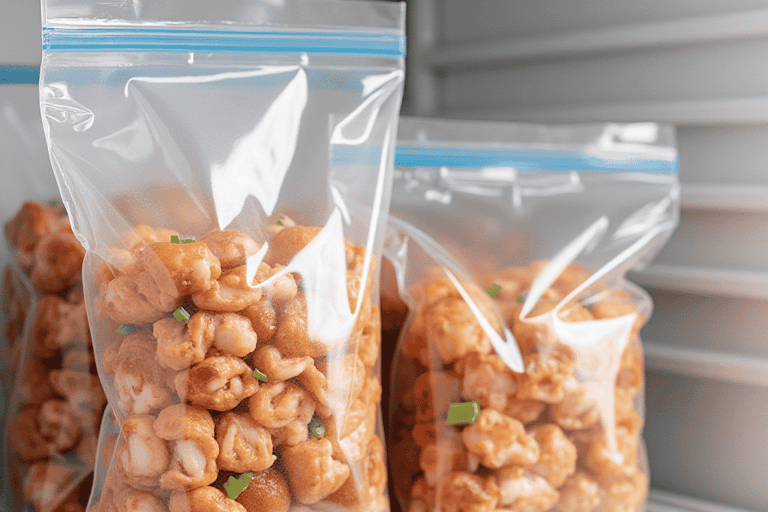
Freezing slows down enzyme activity and halts the growth of yeast, bacteria, and mold that cause food to spoil.
Freezing food places bacteria into a dormant state, but does not eliminate them. This preserves food quality and safety for longer periods, which helps reduce food waste, and you can find food should there be a shortage of this vital product.
Key Benefits of Freezing Foods
Reduces food waste by extending shelf life
Saves money by allowing bulk purchases and leftovers to be stored
Preserves nutrients, especially when food is frozen at peak freshness
Supports meal planning and batch cooking
Provides food security in case of supply shortages, emergencies, or unexpected disruptions
In times of uncertainty or potential shortages, a well-stocked freezer can provide peace of mind for you and your family and ensure consistent access to nutritious meals.
Foods That Freeze Well (and Those That Don’t)
Foods That Freeze Well
Raw and cooked meats (beef, chicken, pork, lamb)
Fish and seafood
Bread and baked goods
Fruits (berries, bananas, mangoes)
Vegetables (blanched first)
Soups, stews, casseroles
Cooked grains (rice, quinoa)
Cheese (hard and semi-hard varieties)
Foods That Don't Freeze Well
Lettuce and leafy greens
Raw potatoes
Eggs in shells
Cream-based sauces (may separate)
High-water fruits like watermelon
Fried foods (texture degrades)
The Proper Way for Freezing Food Safely
Firstly, Prepare Food Correctly
Freeze food as fresh as possible
Remove any excess fat (fat can turn rancid over time)
Portion food into meal-sized servings
Cool cooked food completely before freezing (within 2 hours)
Secondly, Use Appropriate Packaging
Use freezer-safe bags, airtight containers, or vacuum sealing
Remove as much air as possible to prevent freezer burn
Wrap meats tightly in plastic wrap, then foil or freezer paper
Thirdly, Label Everything
Always include:
Name of the food
Date frozen
Portion size (optional)
This procedure avoids forgotten items and also ensures food is used within a safe timeframe.
Fourthly, Set the Correct Temperature
Your freezer should be set to -18C / 0F or below. This temperature keeps food safe indefinitely, though quality may decline over time.
For How Long Can Food Be Frozen?
The great thing about frozen food is that it remains safe indefinitely at 0 Farenheit, but quality, taste, and texture vary over time.
Time Guidelines or General Freezing
Raw poultry: 9–12 months
Raw beef or pork: 6–12 months
Cooked meat dishes: 2–3 months
Fish (lean): 6 months
Fish (fatty): 2–3 months
Vegetables (blanched): 8–12 months
Fruits: 6–12 months
Bread: 3 months
Soups and stews: 2–3 months
To get the best quality, rotate your freezer stock and use older items first.
Avoiding Freezer Burn
Freezer burn occurs when air reaches the food’s surface, causing dehydration and oxidation.
Prevent Freezer Burn
You can prevent this by sticking to these four points:
Use airtight packaging
Remove air from freezer bags
Keep freezer temperature consistent
Avoid opening the freezer unnecessarily
NOTE: Freezer-burned food is safe to eat but may have altered texture or taste.
Safe Thawing Procedures to Avoid Bacterial Growth
Improper thawing is one of the most common causes of foodborne illness. Bacteria multiply rapidly between 5C and 60C (41F–140F), known as the “danger zone.”
Safe Methods for Thawing
First: The Refrigerator Thawing (Safest way)
Thaw food slowly in the fridge
Keeps food below danger-zone temperatures
Ideal for meat, poultry, and seafood
Allows refreezing if needed (quality may decline)
Second: Cold Water Method
Place food in a sealed, leak-proof bag
Submerge in cold water
Change water every 30 minutes
Cook immediately after thawing
Third: Thawing via a Microwave
Use this method only if food will be cooked immediately
Microwave may partially cook food, encouraging bacterial growth if left standing
Never Thaw Food:
On the kitchen counter
In hot water
Outside at room temperature
NOTE: These methods allow bacteria to multiply rapidly.
Refreezing Thawed Food
Usually, food thawed in the refrigerator can be refrozen safely. However, texture and quality may suffer. Foods thawed using cold water or microwave methods should be cooked before refreezing.
Freezing as Part of Emergency and Shortage Planning
A vital role in household preparedness is storing food in the freezer. During shortages, apart from power disruptions, having frozen meals, meats, and vegetables reduces reliance on stores and protects against supply chain issues. This is more important if you have young people to feed.
Tips for Smart Freezer Stocking
Prioritize nutrient-dense foods
Freeze cooked meals for convenience
Keep an inventory list
Leave space for air circulation
Avoid overloading the freezer
A thoughtfully managed freezer can act as a reliable backup food system for your home.
In Conclusion
To ensure freshness preservation, food safety, cost savings, and family support, freezing food is a powerful tool.
When done correctly, that is, using proper packaging, storage times, and safe thawing, it minimizes waste and reduces the risk of bacterial contamination.
Whether you’re preparing meals in advance, planning for shortages, or just making the most of your groceries, if you master the art of freezing food, it's a skill that pays off year-round.
Freezing Food Disclaimer
The information provided regarding freezing times and food storage is intended for general guidance only. While every effort has been made to ensure accuracy, freezing conditions, appliance performance, and food handling practices can vary widely.
This content is not a substitute for professional food safety advice or official government guidelines. The author assumes no responsibility for any loss, injury, illness, or damage resulting from the use or misuse of the information provided.
Always follow current food safety standards and consult official sources such as your local health authority or food safety agency when in doubt. Proper food handling, freezing, and storage are the sole responsibility of the individual.
Smart Living Coach
Your journey to a balanced life starts here...
coach@smartlivingcoach.com
© 2025. All rights reserved.
The Smart Living coach Team